Epoxy Flooring vs. Polished Concrete
Choosing the Ideal Surface for Your Space

When it comes to selecting the ideal flooring solution for commercial or residential spaces, both epoxy flooring and polished concrete have gained significant popularity in recent years. These two options offer durability, aesthetics, and ease of maintenance, making them attractive choices for a range of applications. However, each option has its own set of pros and cons. In this blog post, we will compare the advantages and disadvantages of epoxy flooring and polished concrete, helping you make an informed decision for your specific needs.
Epoxy Flooring
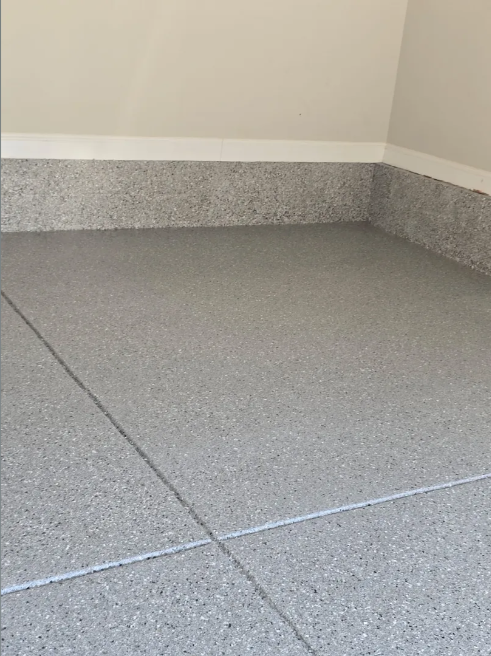
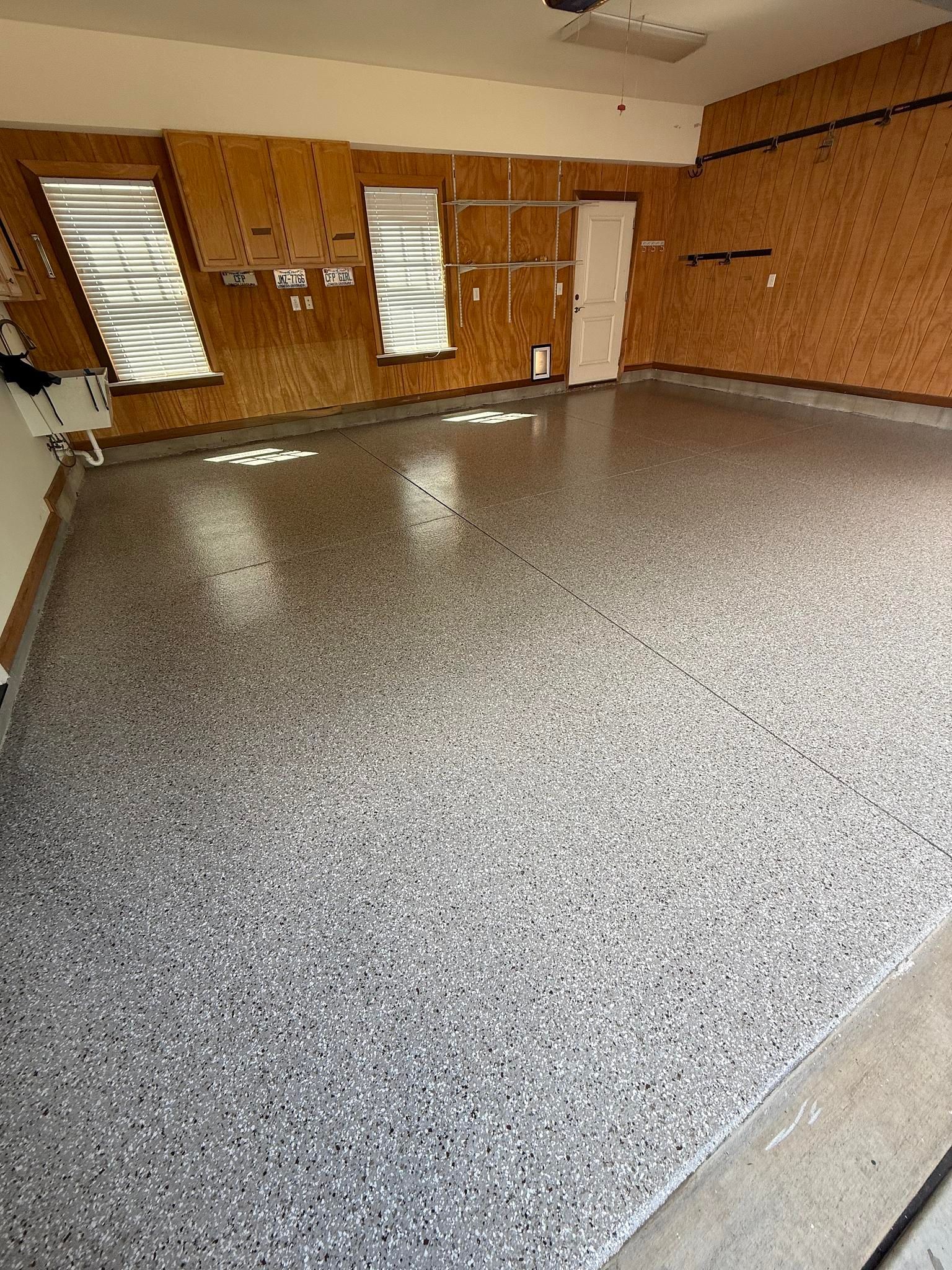
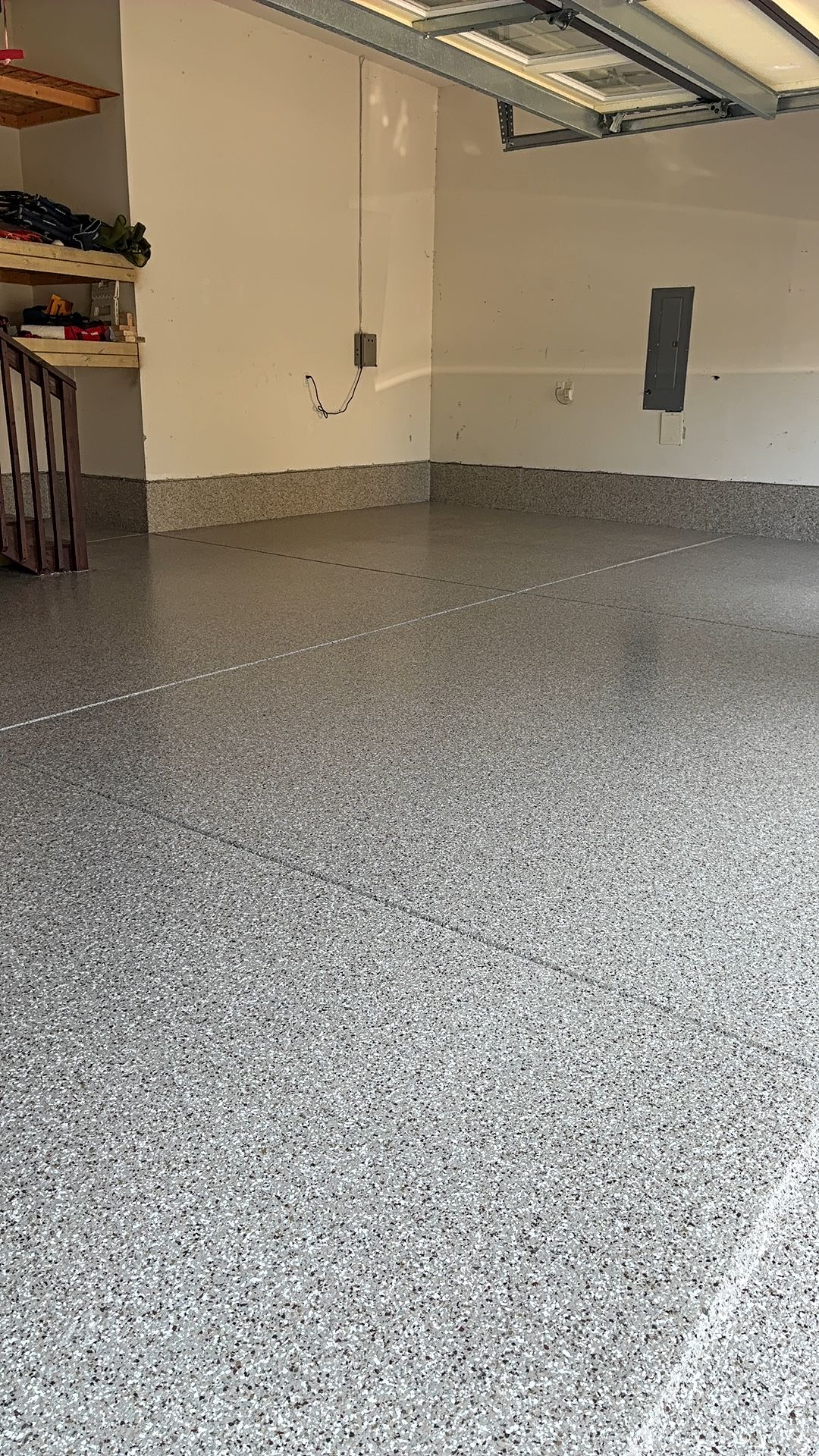
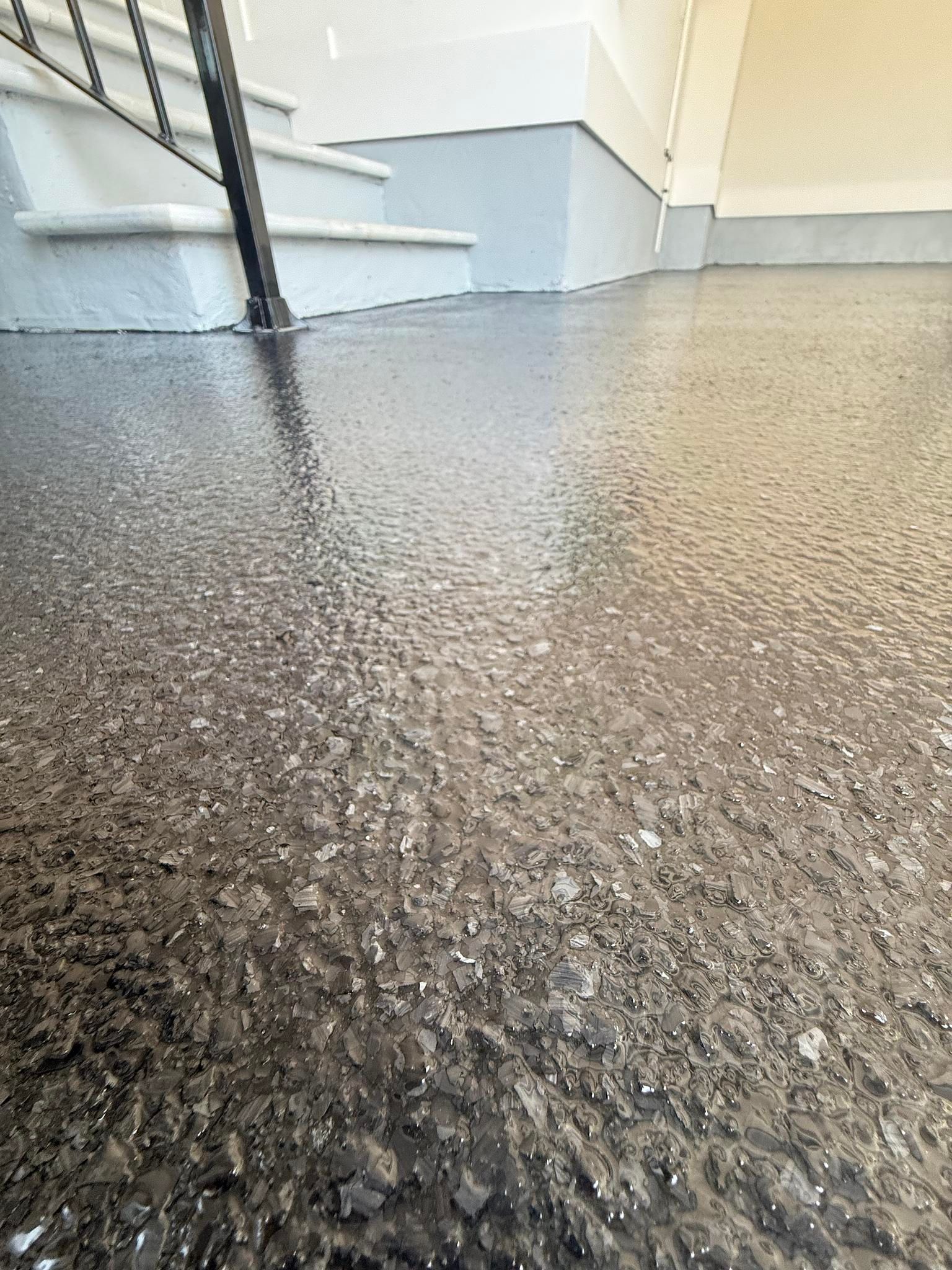
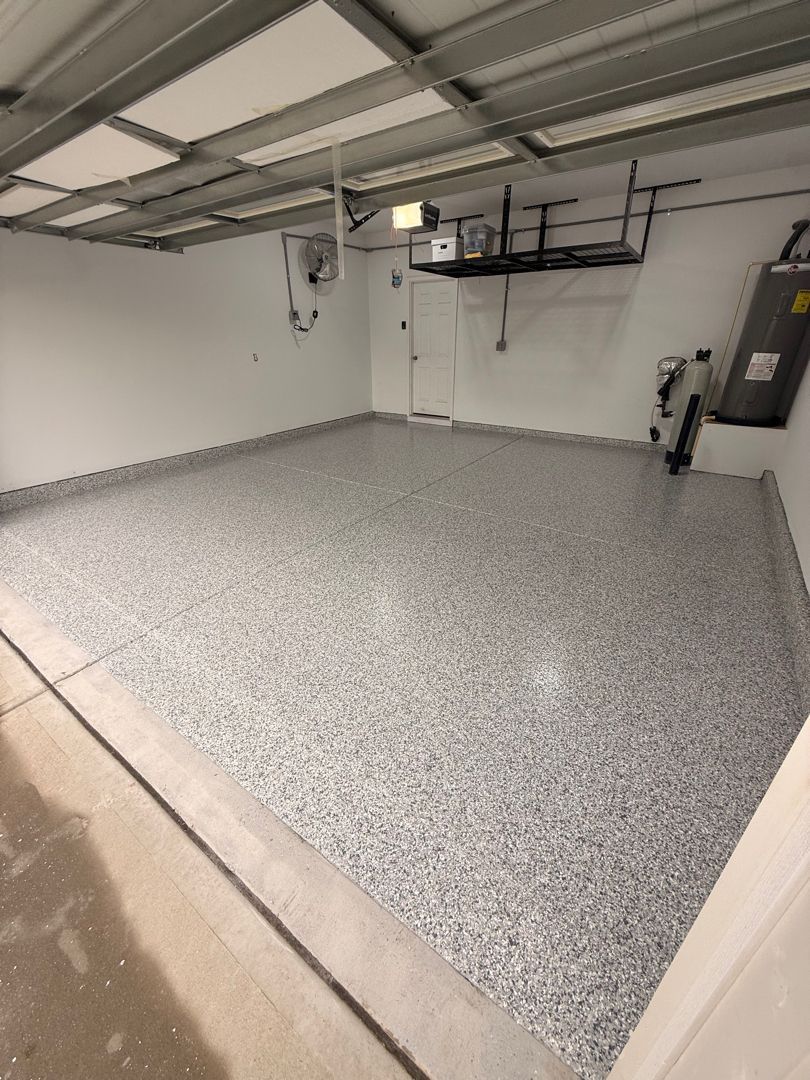
Epoxy flooring consists of a combination of epoxy resin and hardening agents, which are applied as a liquid and then chemically react to form a solid, seamless surface. Here are some key pros and cons of epoxy flooring:
Pros of Epoxy Flooring
- Durability: Epoxy flooring is known for its exceptional durability, capable of withstanding heavy foot traffic, impacts, and abrasion. It is highly resistant to stains, chemicals, and moisture, making it ideal for high-traffic areas and spaces prone to spills.
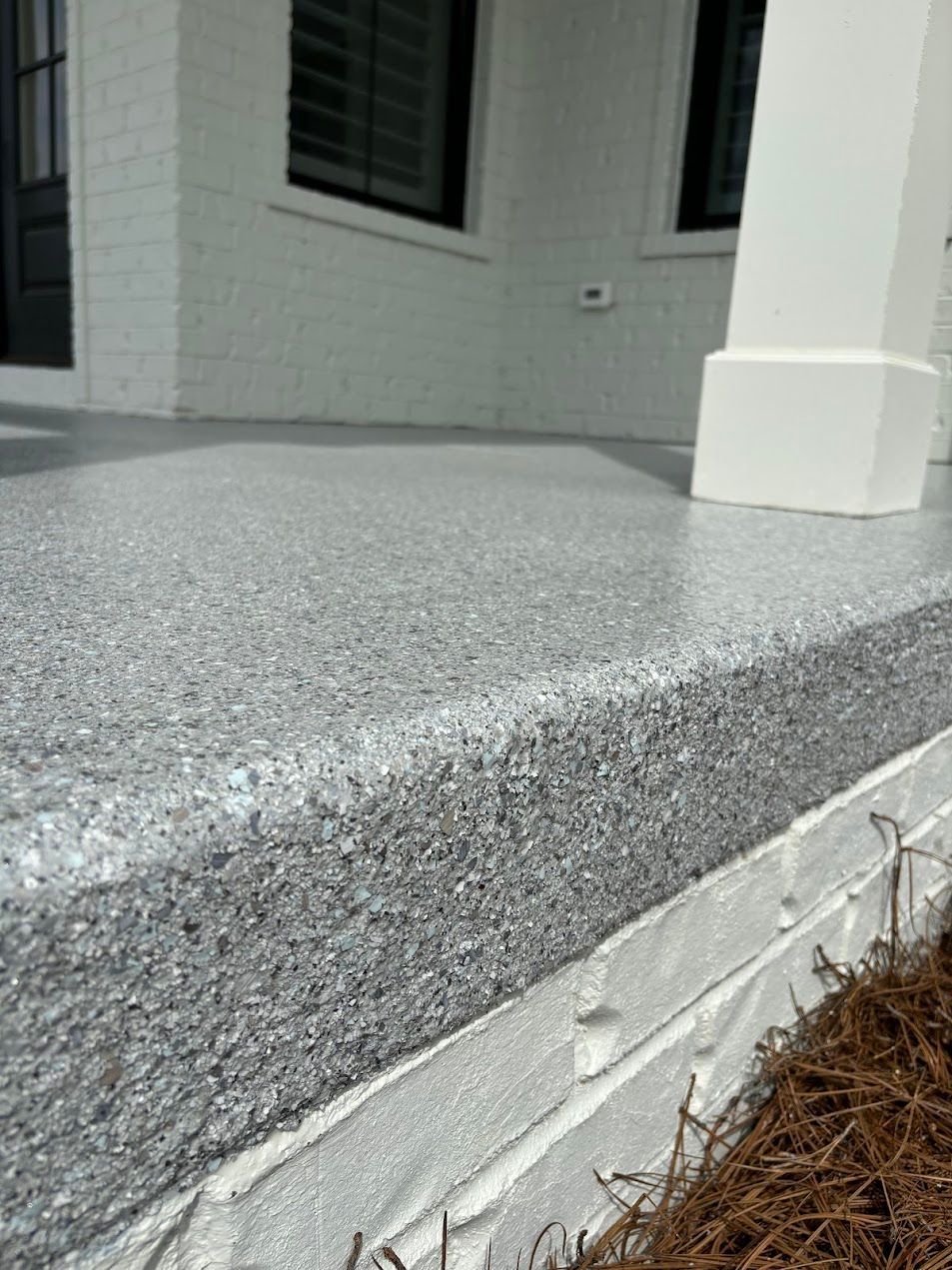
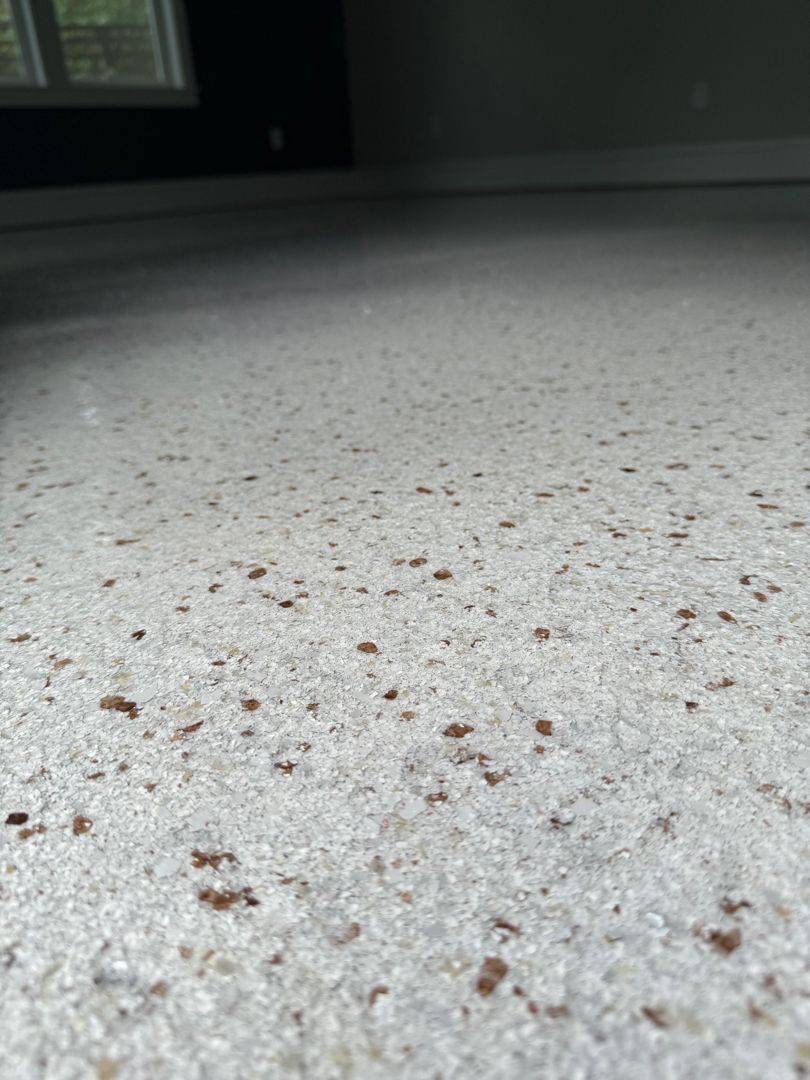
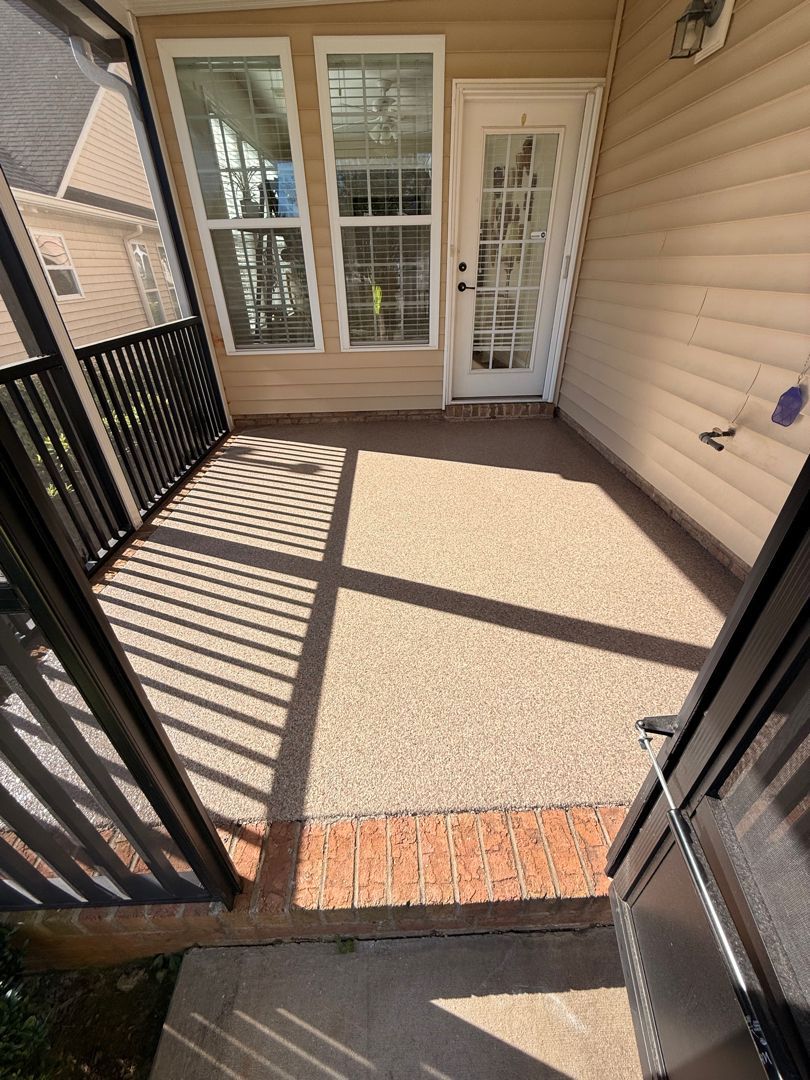
- Versatility: Epoxy flooring offers a wide range of customization options, including various colors, patterns, and textures. This versatility allows for the creation of unique and visually appealing surfaces that can enhance the overall aesthetic of any space.
- Easy Maintenance: The seamless nature of epoxy flooring makes it easy to clean and maintain. Regular sweeping and mopping are usually sufficient to keep the surface looking pristine. The lack of grout lines or seams also prevents dirt and bacteria from accumulating, promoting a healthier environment.
Cons of Epoxy Flooring
- Installation Complexity: Epoxy flooring requires professional installation, as the process involves meticulous surface preparation and precise application techniques. Improper installation can lead to adhesion issues and a shorter lifespan.
- Initial Cost: Compared to some other flooring options, epoxy flooring can have a higher upfront cost due to the materials used and the expertise required for installation. However, its long-term durability and low maintenance costs make it a cost-effective choice over time.
Polished Concrete
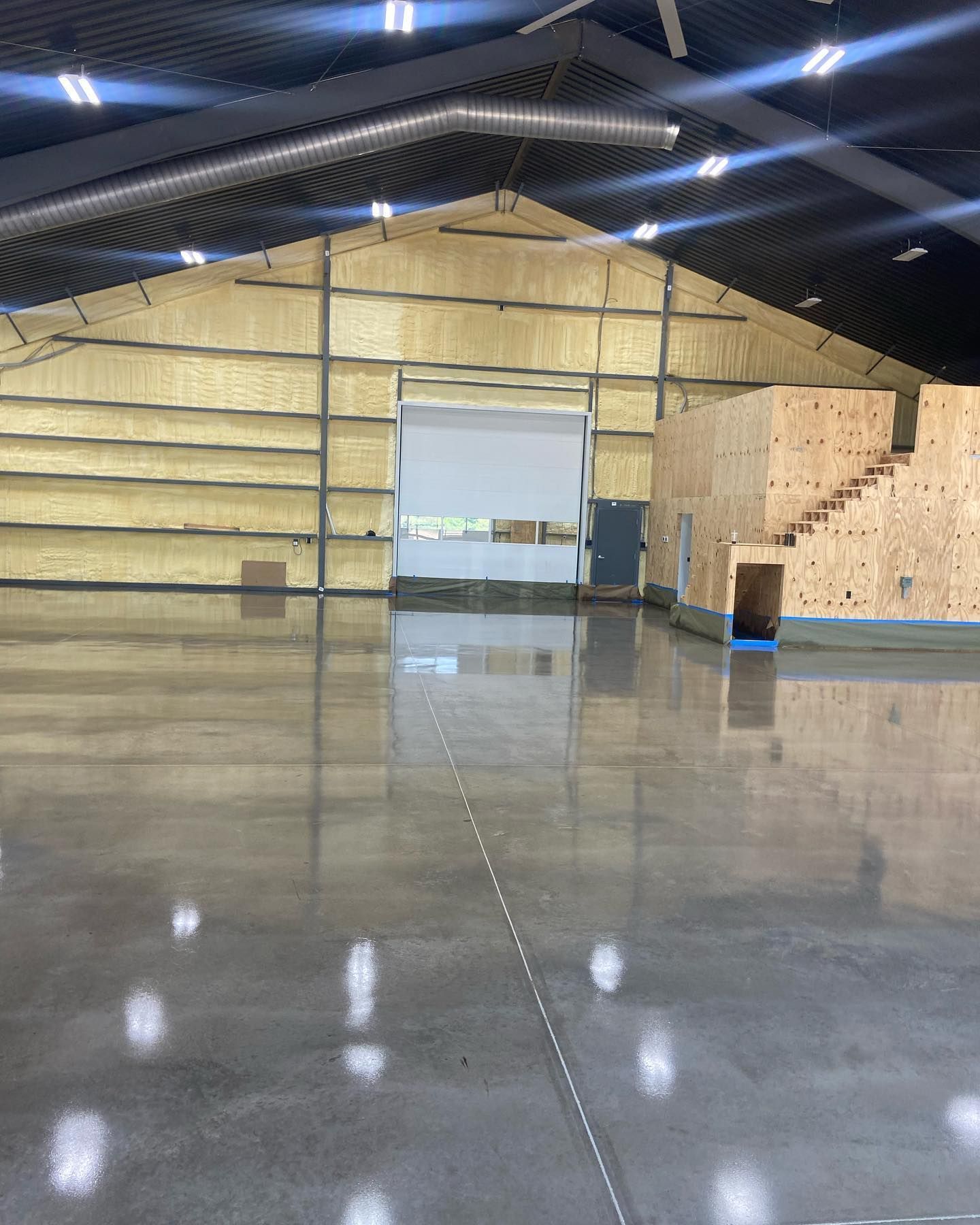
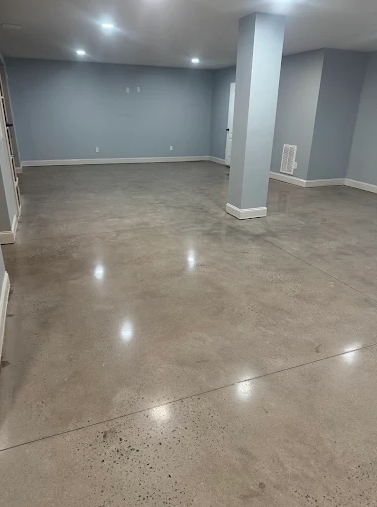
Polished concrete involves grinding and polishing the concrete surface to create a glossy, reflective finish. Here are the pros and cons of polished concrete:
Pros of Polished Concrete
- Sustainability: Polished concrete is an eco-friendly choice, as it utilizes existing concrete slabs without the need for additional materials. This reduces waste and eliminates the need for other flooring coverings.
- Longevity: Polished concrete is exceptionally durable and has a long lifespan when properly maintained. It can withstand heavy loads, foot traffic, and impacts without significant wear and tear.
- Cost-Effective: If the concrete slab is already in place, the cost of polishing the surface is relatively low compared to other flooring options. Additionally, its low maintenance requirements contribute to long-term cost savings.
Cons of Polished Concrete
- Limited Aesthetic Options: While polished concrete can be visually appealing with its smooth and glossy finish, the range of design options is relatively limited compared to epoxy flooring. Colors, patterns, and textures are more restricted, making it less customizable in terms of aesthetics.
- Vulnerability to Stains: Polished concrete, although generally resistant to stains, is not entirely impervious to them. Spills left unattended for an extended period or harsh chemicals can cause discoloration and may require additional maintenance.
- If your existing surface is heavily patched from floor damage or plumbing repairs, these repair areas will still be visible, and will likely finish differently than the original slab.
Conclusion
Choosing between epoxy flooring and polished concrete depends on various factors, including the specific requirements of your space, budget, and desired aesthetic. Both options offer significant advantages, such as durability, ease of maintenance, and longevity. While epoxy flooring provides more customization options, polished concrete offers sustainability and cost-effectiveness.
From our experience, polished concrete is best suited for warehouses and retail stores where the end users are less likely to give consideration and care to your floor. Since there is no film coating the floor, there is nothing that can peel from items being dragged or dropped on the surface.
For homeowners looking to protect their garage from stains, or for manufacturing or food facilities that need a sealed surface to protect from stains, epoxy, polyaspartic, or other floor sealers are generally the best option.
For expert installation and guidance in Charlotte, NC, contact United Floor Coatings at 704-659-6985.