Flooring Solutions for Self-Storage Facilities: Durable Systems That Protect Your Asset
How to choose the right floor system for corridors, thresholds, and loading zones in a storage facility
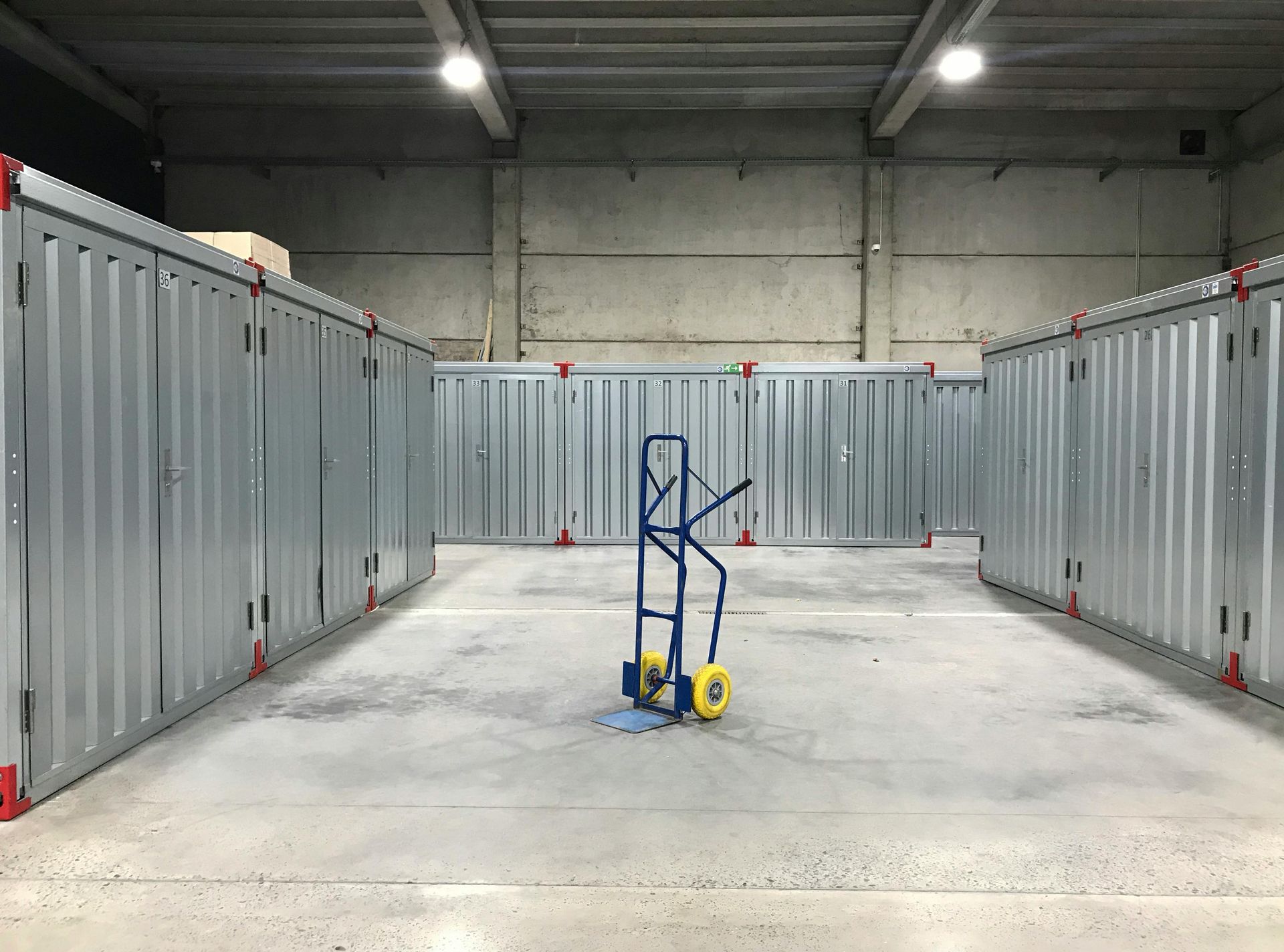
Self-storage facilities are built on reliability: reliable access, reliable security, and reliable conditions for customers’ belongings. But one thing that can quietly chip away at that promise is the floor—especially in high-traffic corridors, loading areas, and drive aisles where abrasion, moisture, and tire wear stack up over time.
The right flooring system isn’t just a cosmetic upgrade. In self-storage, it impacts safety, cleanliness, long-term maintenance costs, and how confident customers feel when they tour the property. Below are practical flooring solutions that help self-storage operators protect their surfaces and reduce ongoing repairs.
1) Start by mapping traffic and abuse zones
Before choosing a coating or topping, break the facility into zones that take different kinds of wear:
- Interior corridors and hallways: daily foot traffic, moving carts, occasional impacts
- Unit thresholds: door tracks and edge wear, grit intrusion, turning points
- Loading/receiving areas: pallet jacks, box trucks, abrasion, oil drips
- Drive aisles and ramps: hot-tire exposure, UV (where applicable), weathering
- Climate-controlled buildings: condensation near doors, moisture sensitivity
A “one-size-fits-all” coating is rarely the best long-term answer. The smartest approach is treating the floor like a system: match materials to the zone.
2) Epoxy systems for interior durability and easy cleaning
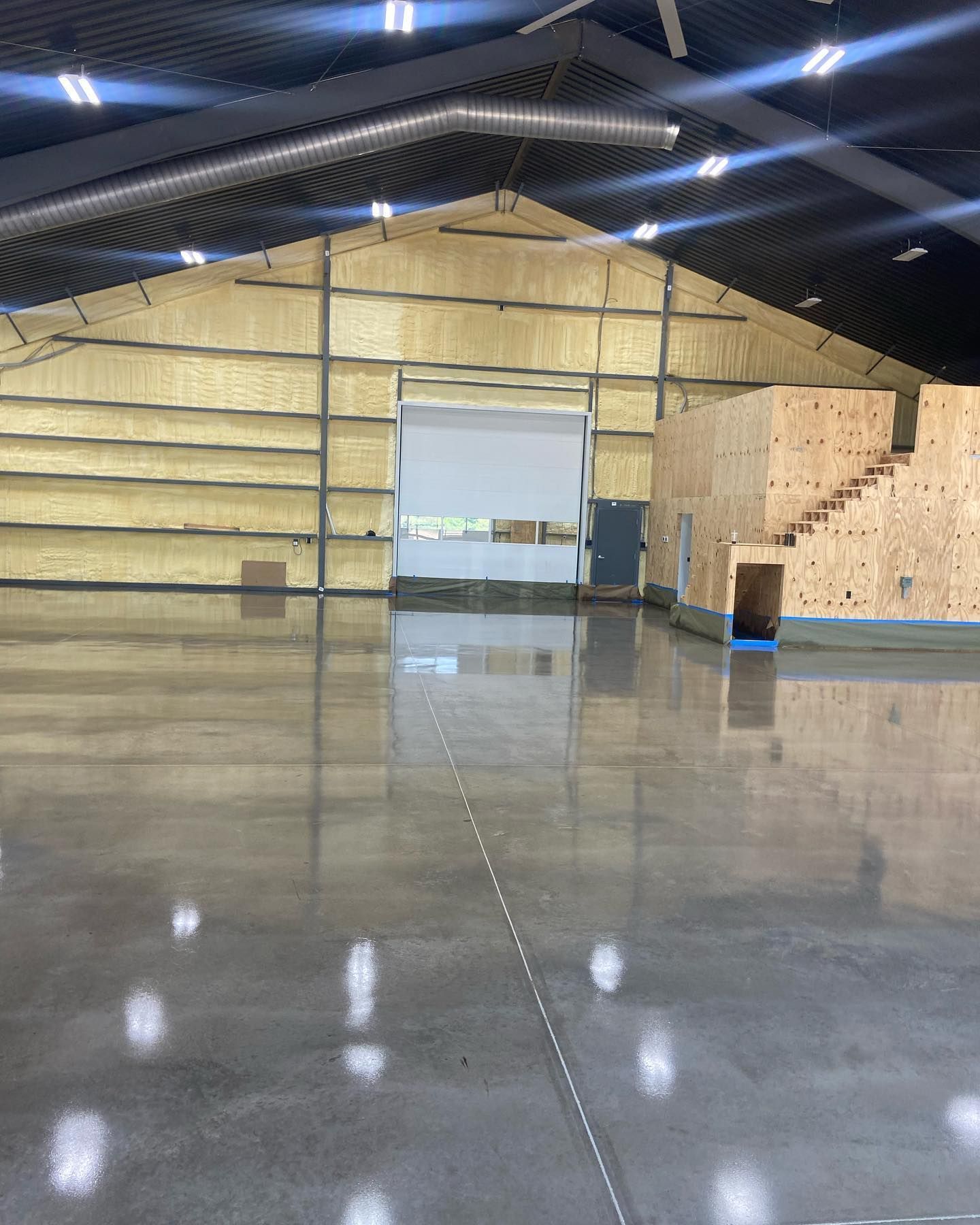
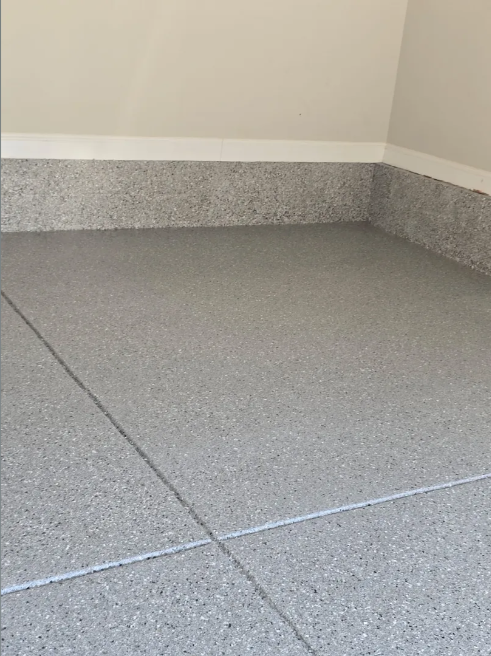
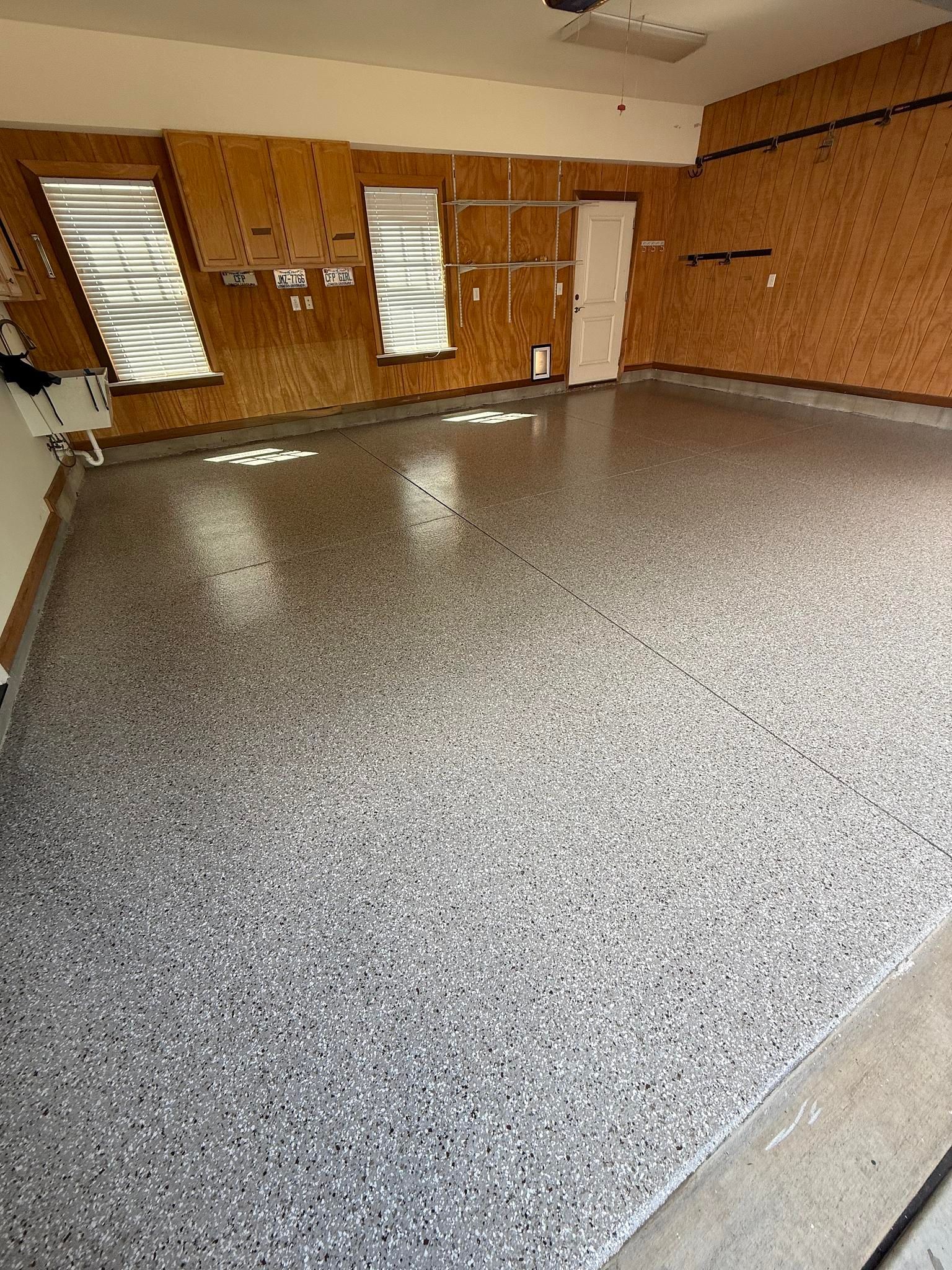
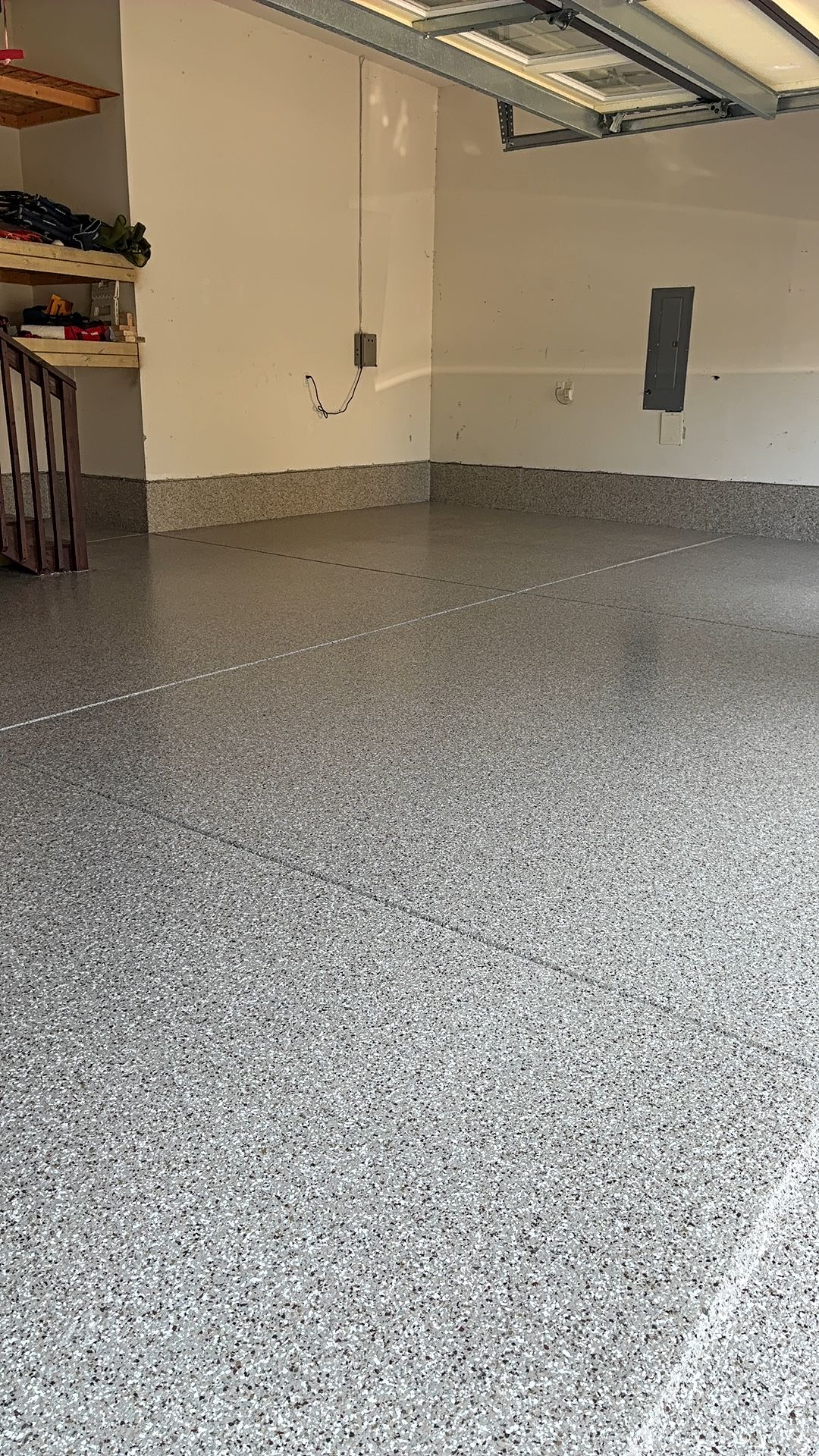
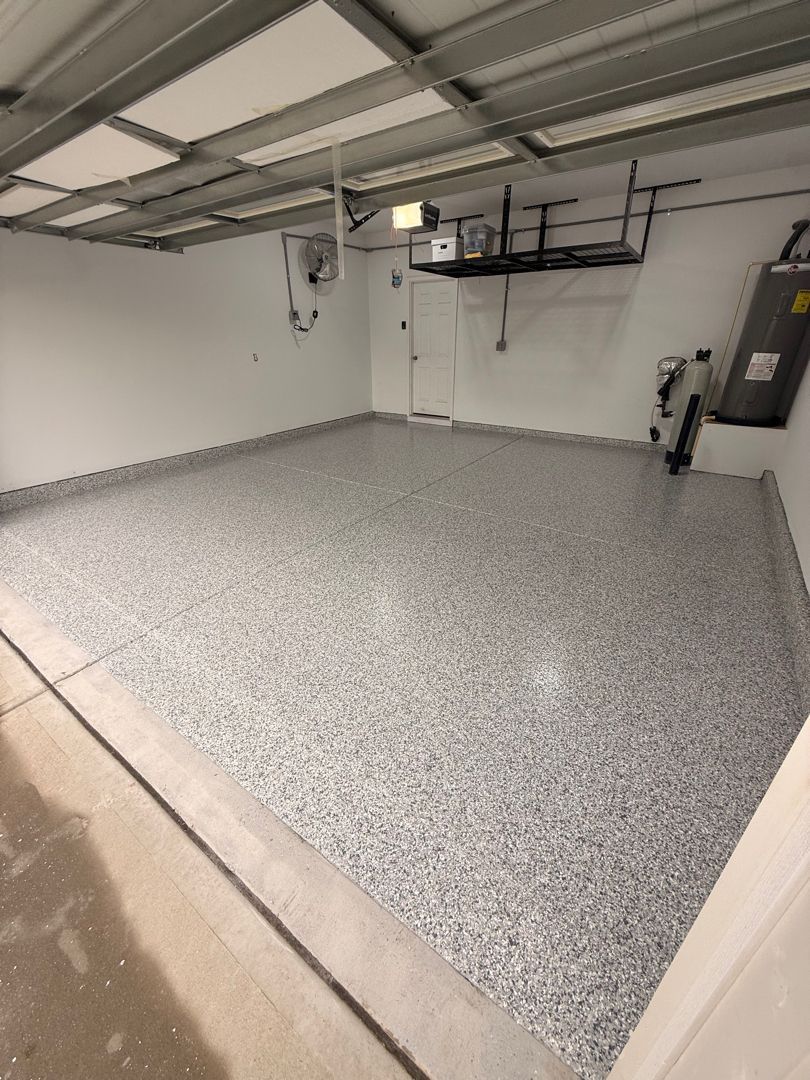
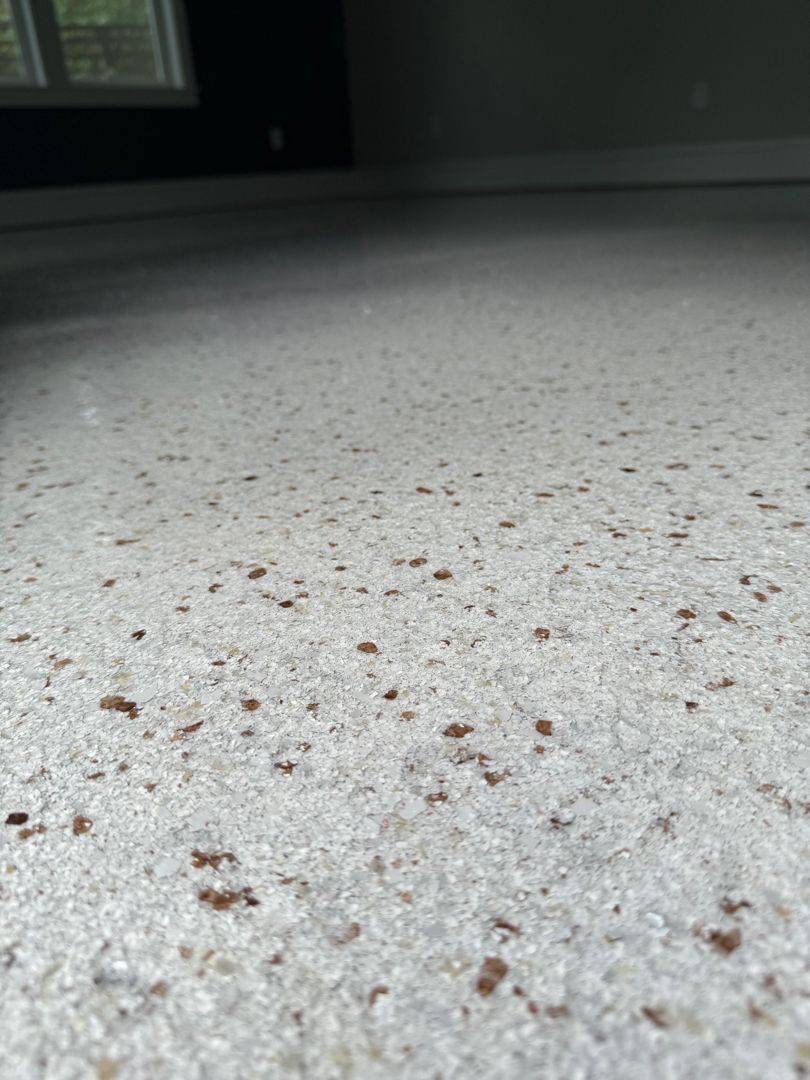
For many storage interiors, a properly installed epoxy system is a strong baseline. It creates a clean, professional look, resists abrasion from carts, and makes routine cleaning easier than bare concrete.
Where epoxy performs best:
- Interior corridors
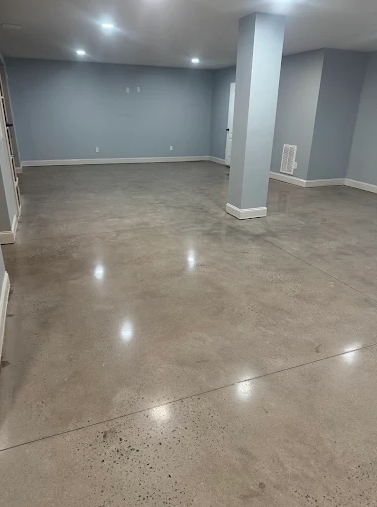
- Climate-controlled buildings
- Unit interiors (especially where customers expect a cleaner finish)
What matters most:
- Mechanical concrete prep (not just acid etching)
- Proper primer selection for the slab condition
- A wear-resistant topcoat where traffic is heavy
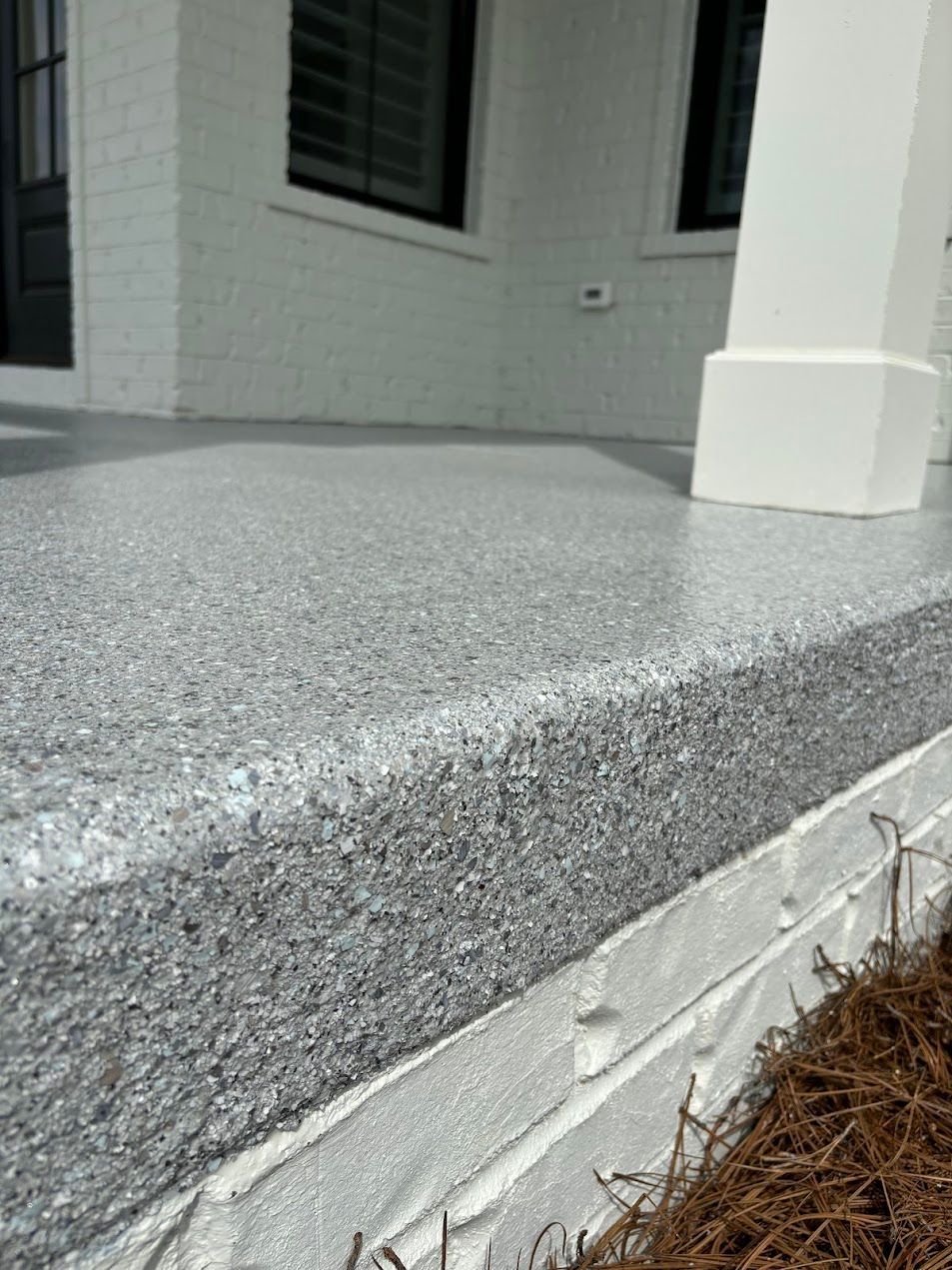
Epoxy can also be paired with a subtle traction additive in corridors or near entrances where moisture can get tracked in.
3) Polyaspartic or urethane topcoats for high-wear corridors
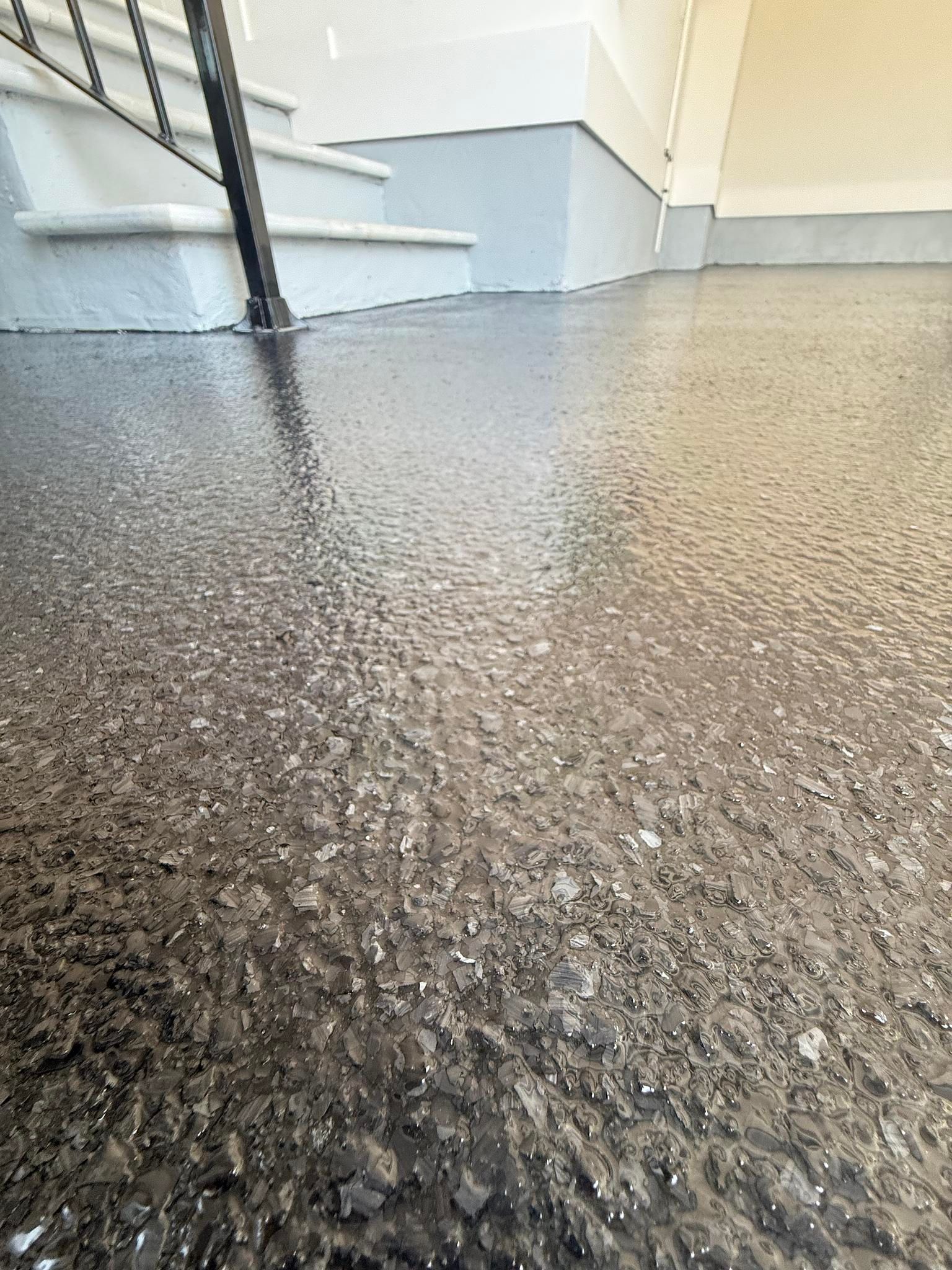
If your facility has frequent tours, high cart traffic, or simply wants a longer “like-new” look, upgrading the topcoat can pay off. Polyaspartic and urethane topcoats are often used to improve scratch resistance, chemical resistance, and stain resistance while keeping floors easier to maintain.
Best uses in storage:
- High-traffic corridors
- Entry vestibules
- Areas where scuffing and black marks are a recurring problem
A durable topcoat can help the floor keep a brighter appearance longer—important when customers judge cleanliness in the first few seconds of walking in.
4) Urethane cement for loading zones and truly heavy abuse
Some facilities deal with harsher service conditions—frequent pallet jacks, occasional forklift access, or repeated moisture exposure in maintenance/receiving areas. In those cases, urethane cement is often the most resilient option.
Why operators use it:
- Excellent durability under rolling loads
- Strong resistance to moisture-related issues
- Tough performance in receiving/loading areas
It’s not necessary everywhere, but in chronic problem zones that keep needing repairs, urethane cement can be the “solve it once” flooring choice.
5) Moisture mitigation is the difference between “lasts years” and “fails early”
Moisture is one of the most common reasons coatings fail prematurely—especially in regions like the Carolinas where conditions can vary widely. Even climate-controlled buildings can see moisture movement in the slab that leads to blistering or delamination if the floor wasn’t evaluated correctly.
Best practices:
- Test for moisture risk (edges, low spots, door thresholds)
- Use a moisture-mitigating primer/basecoat when needed
- Focus on prep and primer selection over the myth that “thicker is better”
6) Safety matters: slip resistance without making cleaning miserable
Self-storage floors need to stay safe for customers moving heavy items, but overly aggressive texture can trap dirt, look dingy fast, and make cleaning harder.
A light traction additive in corridors and entrances is often enough. Loading areas can use more traction where dust or water is common, while still keeping the floor maintainable.
7) Flooring upgrades support marketing and tenant confidence
A clean floor sends a clear message: this facility is maintained, well-run, and trustworthy. In competitive markets, that perception matters. Customers often read the condition of corridors, thresholds, and loading zones as a proxy for how the property is managed overall.
If someone is comparing storage units in Charlotte, well-maintained interior spaces—including durable, clean floors—can be one of those subtle details that helps a facility stand out.
Final takeaway
The best flooring approach for self-storage is one that matches real wear zones: epoxy for interior cleanability, stronger topcoats for corridors, urethane cement for heavy service areas, and moisture mitigation wherever the slab demands it.
Done right, you don’t just get a better-looking facility—you reduce maintenance, improve safety, and create a smoother experience for every tenant who rolls a cart through your doors.